Spray Foam Installation Day: What to Expect, Step by Step
By installation day, the measuring and quoting are done — this is the part where your house changes. Most residential spray foam jobs take one to three days depending on the areas covered. Here's how a typical day runs, so there are no surprises.
Before spraying: prep and masking
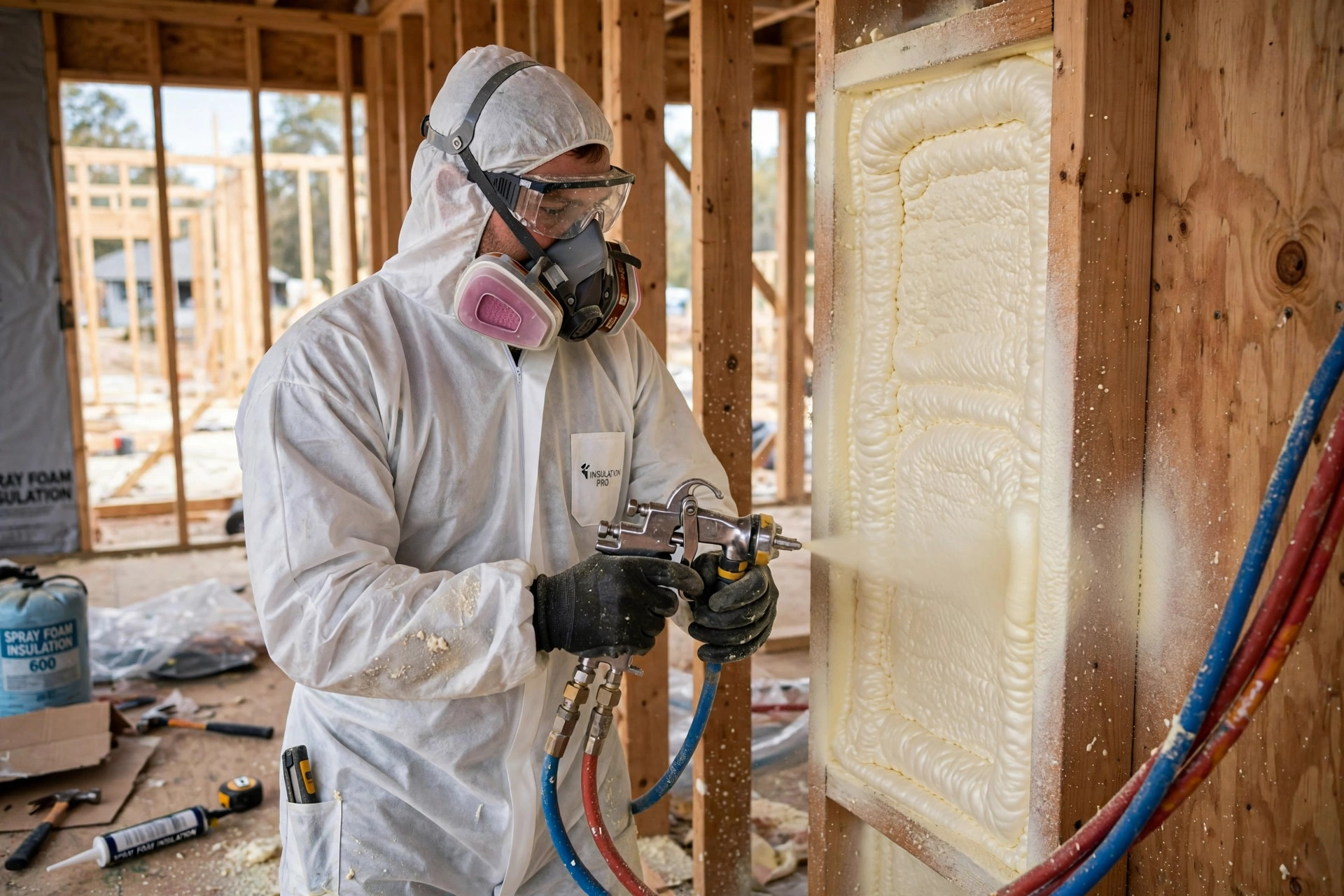
The crew starts by protecting everything that isn't getting foam. Floors, windows, doors, fixtures and anything staying in the space are masked with plastic and tape, because overspray travels and cured foam is permanent. Ventilation equipment is set up to exhaust air from the work area. Anything you've been asked to move — items stored against basement walls, for example — should already be clear of the surfaces being sprayed.
Application: passes, not one thick layer
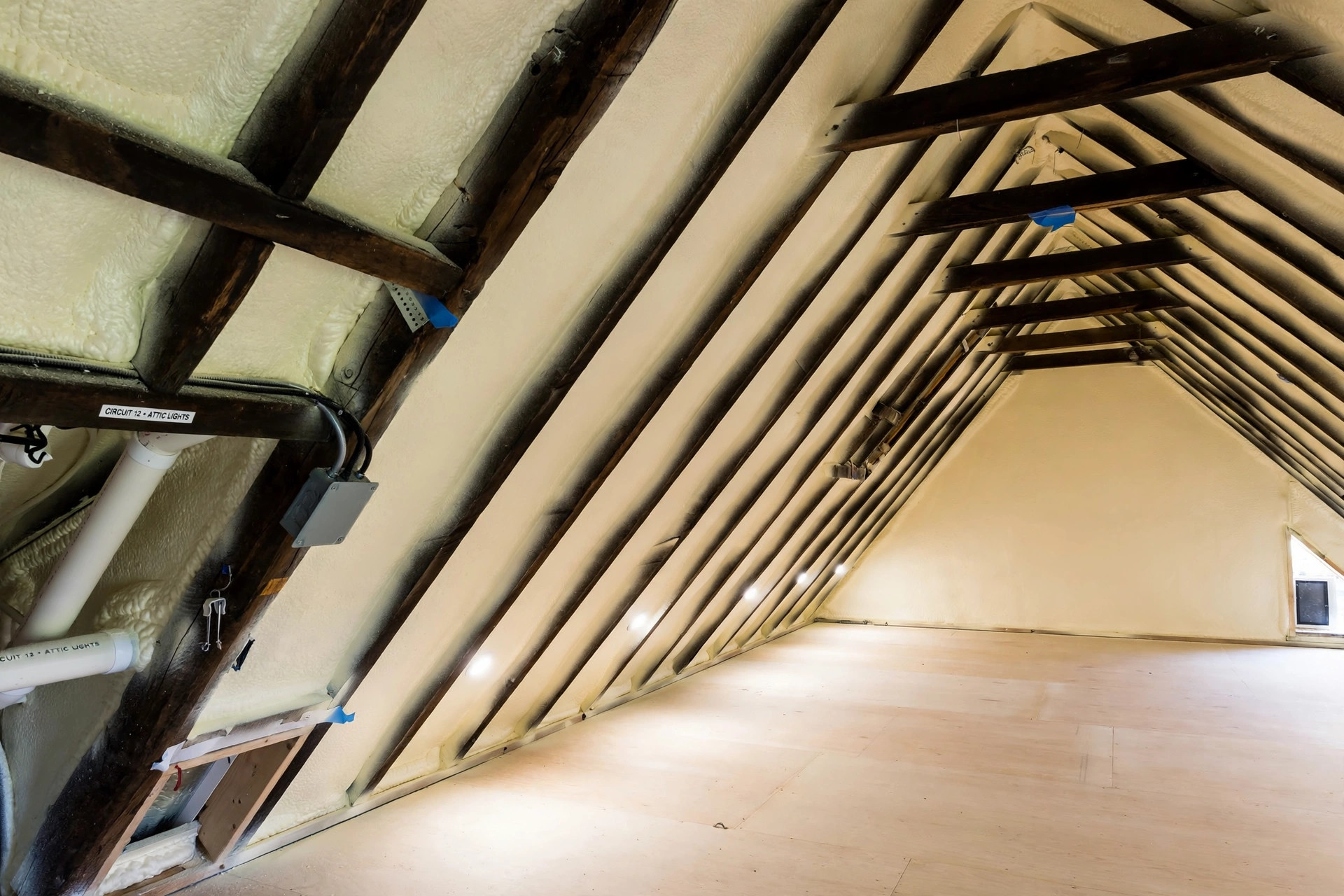
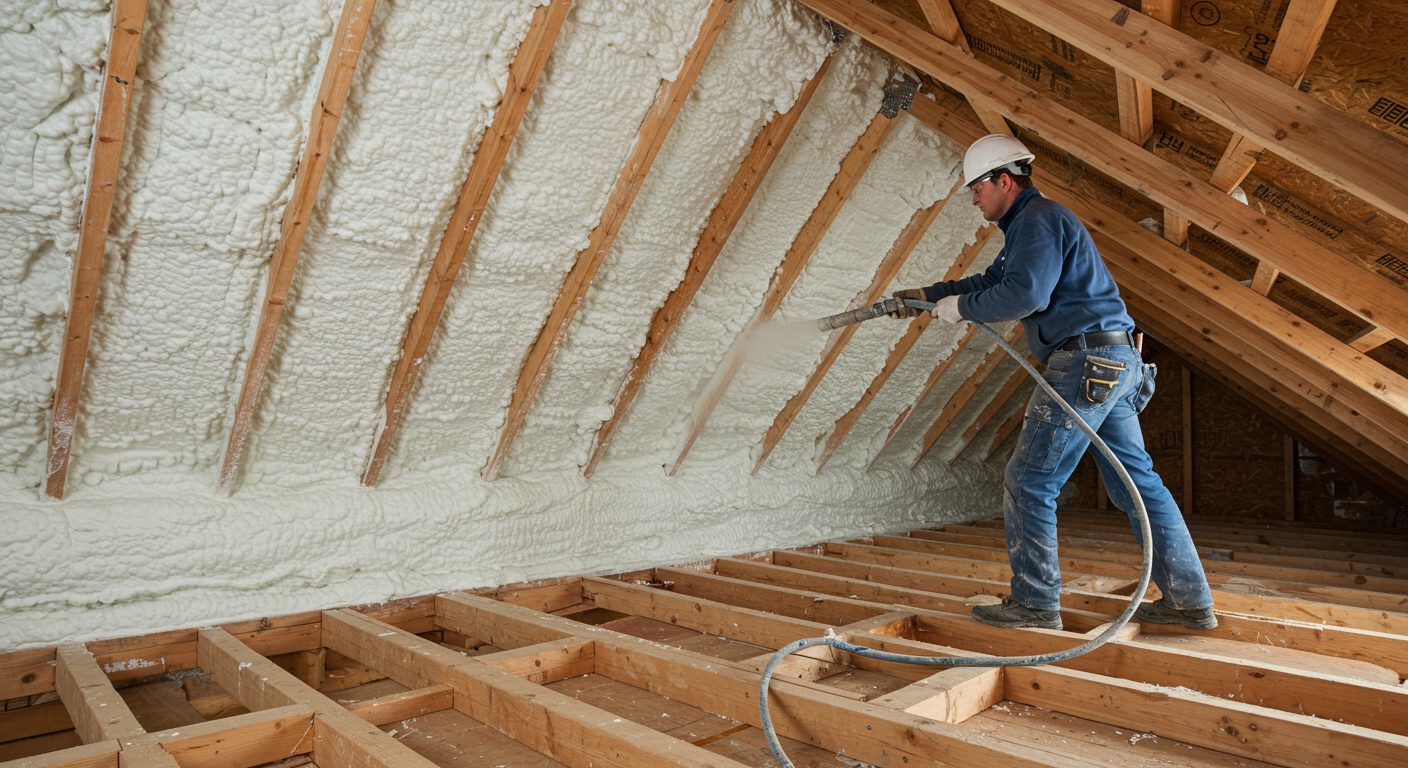
Foam is sprayed in passes (called lifts), each one expanding and beginning to cure before the next goes on. Building thickness up in lifts controls the heat the foam generates as it cures and gives a consistent, fully bonded layer. The installer checks depth as they go against the thickness specified in your quote — the number that delivers the R-value you were quoted — and trims any high spots flush where finishes like drywall will follow.
Curing and re-entry — the part to plan around
While foam is being sprayed and for a period afterwards, the only people in the work area are the crew in respirators and protective gear. Everyone else — including pets — needs to be out of the house or the affected area. How long before you can use the space normally depends on the specific product; as a general guide, plan on the sprayed area being off-limits for about 24 hours while the foam finishes curing and the ventilation clears the air. We'll confirm the exact re-entry time for the product going into your home before the day starts, so you can plan the night around it.
Cleanup and the walkthrough
- Masking and plastic come down and go out with the crew.
- Overspray and trimmed foam are collected; the work area is left broom-clean.
- You walk the job with the installer: coverage, thickness and any areas to check together.
- Next steps are confirmed — inspection if your project requires one, and when finishes can go on.
How to make the day go smoothly
- Plan to be out during spraying, and arrange the same for pets.
- Clear anything stored against the walls or under the areas being sprayed.
- Leave driveway or street room for the spray rig and its hoses to reach the house.
- Move cars out of the garage or driveway if those areas are part of the job.
That's the whole arc — and it's the same sequence laid out on our process page, from the first inquiry to this final walkthrough. A well-run installation day is mostly boring, and that's the point: the excitement is in the heating bills afterwards.
Thinking about spray foam? Get it quoted properly.
Book a free site assessment — 51SPF measures your space, recommends the right foam for each area, and quotes it transparently with the ROI in writing.